

Ok I did. Found this useful article.. I'm gonna paste it here for others who don't no, I'm sure I'm not the only one.
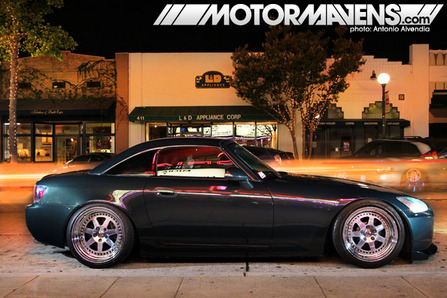
This type of wheel utilizes two or three components assembled together to produce a finished wheel. Multi-piece wheels can use many different methods of manufacturing. Centers can be cast in various
methods or forged. The rim sections for 3-piece wheels are normally spun from disks of aluminum. Generally, spun rim sections offer the ability to custom-tailor wheels for special applications that would not be available otherwise. The rim sections are bolted to the center and normally a sealant is applied in or on the assembly area to seal the wheel. This type of 3-piece construction was originally developed for racing in the early 1970s and has been used on cars ever since. The 3-piece wheels are most popular in the 17" and larger diameters. There are now many options for 2-piece wheels in the market. The 2-piece wheel design does not offer as wide a range of application that a 3-piece wheel allows, however they are more common in the market and the prices start well below the average 3-piece wheel. Some 2-piece wheels have the center bolted into a cast or cast/spun rim section and other manufacturers press centers into spun rim sections and weld the unit together. When BBS developed a new 2-piece wheel to replace the previous 3-piece street wheel, they used the special rim-rolling technology (originally developed for racing wheels) to give the rim section the weight and strength advantages similar to a forged rim. On the high-end of the 2-piece wheel market you can find wheels using forged rims and forged centers. Since these are only sold in small volume and due to the high development and production costs associated with the forging process, they tend to be on the high end of price scale.
This type of wheel utilizes two or three components assembled together to produce a finished wheel. Multi-piece wheels can use many different methods of manufacturing. Centers can be cast in various
methods or forged. The rim sections for 3-piece wheels are normally spun from disks of aluminum. Generally, spun rim sections offer the ability to custom-tailor wheels for special applications that would not be available otherwise. The rim sections are bolted to the center and normally a sealant is applied in or on the assembly area to seal the wheel. This type of 3-piece construction was originally developed for racing in the early 1970s and has been used on cars ever since. The 3-piece wheels are most popular in the 17" and larger diameters. There are now many options for 2-piece wheels in the market. The 2-piece wheel design does not offer as wide a range of application that a 3-piece wheel allows, however they are more common in the market and the prices start well below the average 3-piece wheel. Some 2-piece wheels have the center bolted into a cast or cast/spun rim section and other manufacturers press centers into spun rim sections and weld the unit together. When BBS developed a new 2-piece wheel to replace the previous 3-piece street wheel, they used the special rim-rolling technology (originally developed for racing wheels) to give the rim section the weight and strength advantages similar to a forged rim. On the high-end of the 2-piece wheel market you can find wheels using forged rims and forged centers. Since these are only sold in small volume and due to the high development and production costs associated with the forging process, they tend to be on the high end of price scale.

 **Don't b scared be prepared for the worst**












Comment